
- Longevity Research Stack
Anti Aging
A synergistic peptide research framework exploring anabolic signaling, cellular growth mechanisms, and recovery pathways for comprehensive muscle adaptation studies.
4
Compounds
Anabolic Potential
Research Compounds
Three synergistic compounds targeting cognitive performance, stress regulation, and social-cognitive signaling.
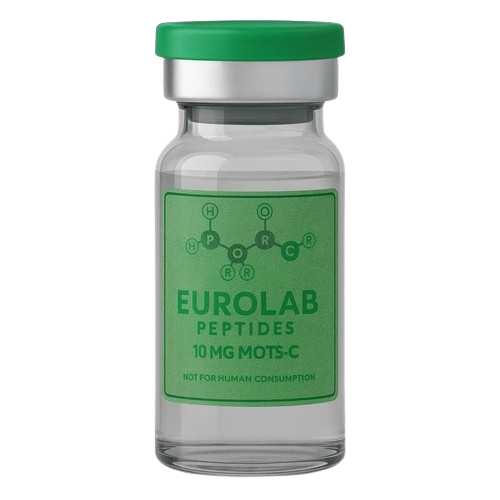
MOTS-C
MOTS-C is a mitochondria-derived peptide studied for its role in metabolic adaptation and cellular energy regulation. In research models, MOTS-C is explored for: mitochondrial communication and signaling, energy utilization and metabolic flexibility, cellular resilience under metabolic stress
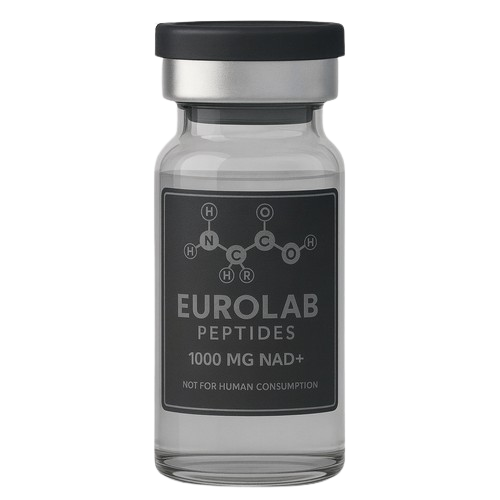
NAD⁺
NAD⁺ is a fundamental cellular coenzyme essential for energy production and redox balance. Within longevity research, NAD⁺ is studied for: mitochondrial energy metabolism (ATP production), cellular repair and maintenance pathways, redox regulation and oxidative stress mechanisms

Epitalon (Epithalon)
Epitalon is a synthetic tetrapeptide widely studied in aging and lifespan research. It is explored for its involvement in: telomere-related cellular mechanisms, genetic stability and long-term cellular regulation, circadian rhythm and pineal signaling pathways, Epitalon is often considered a cornerstone compound in longevity research stacks.

SS-31 (Elamipretide)
SS-31 is a mitochondrial-targeting peptide studied for its interaction with mitochondrial membranes and cardiolipin. Research focus includes: mitochondrial stability and efficiency, cellular energy optimization, protection against mitochondrial dysfunction.
Buy this stack and get 10% off
Why This Stack Is Studied
This longevity research stack is explored because it targets multiple core drivers of biological aging at the same time. Rather than examining a single aging mechanism in isolation, researchers study how energy regulation, cellular repair, and genetic stability interact within one integrated biological system.
Mitochondrial Function
Energy efficiency and cellular metabolism (MOTS-C, SS-31, NAD⁺)
Cellular Repair Systems
Maintenance, regeneration, and redox balance (NAD⁺)
Genetic Stability Pathways
Epigenetic regulation and biological aging control (Epitalon)
Integrated Longevity Network
Synergistic interactions across aging pathways
- Multiple Pathway
Key Research Advantages
- Enables multi-pathway longevity analysis
- Supports investigation of healthy aging mechanisms
- Allows study of mitochondrial and genetic synergy
- Reflects the complexity of real-world cellular aging
- Important Research Notice